


 By
By I’m obsessed with whipping cottage cheese until it’s fluffy, creamy, and honestly a little dangerous in how delicious it becomes. If you’ve ever shrugged at a tub of curds and wondered, “Can this really be whipped into something amazing?” you’re in the right place. Welcome to the Ultimate Whipped Cottage Cheese Guide.
What whipped cottage cheese actually is (and isn’t)
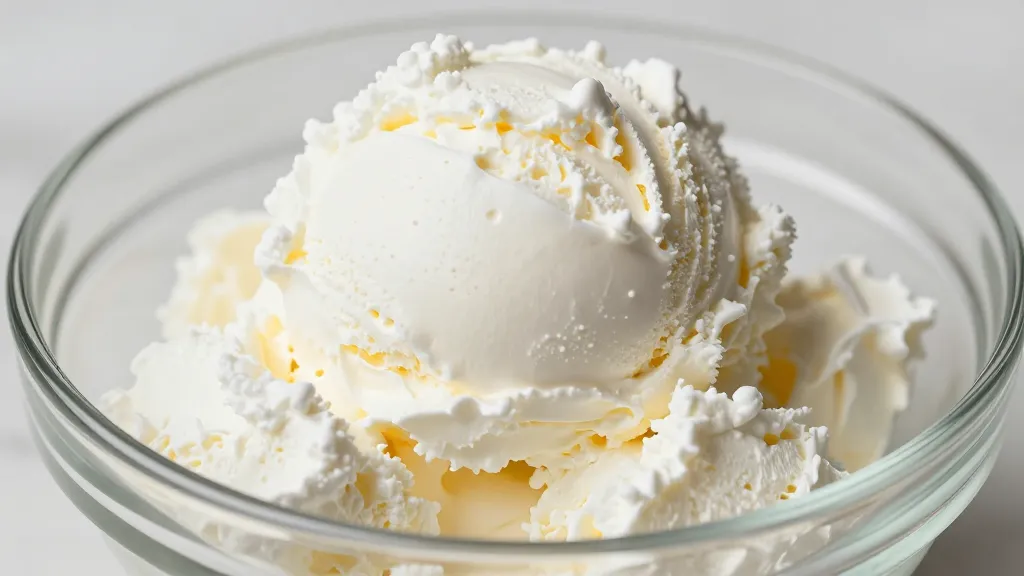
Whipped cottage cheese is basically the dairy world’s version of velvet. You take chunky curds and transform them into a light, airy spread or topping. It’s not dairy cream, and it isn’t tofu fluff. It sits somewhere in between: protein-packed, surprisingly versatile, and easy to customize. FYI, the texture you’re after is smoother than ricotta but with more bite than yogurt. Are you ready to master the texture?
The simplest route: a pantry-friendly whip
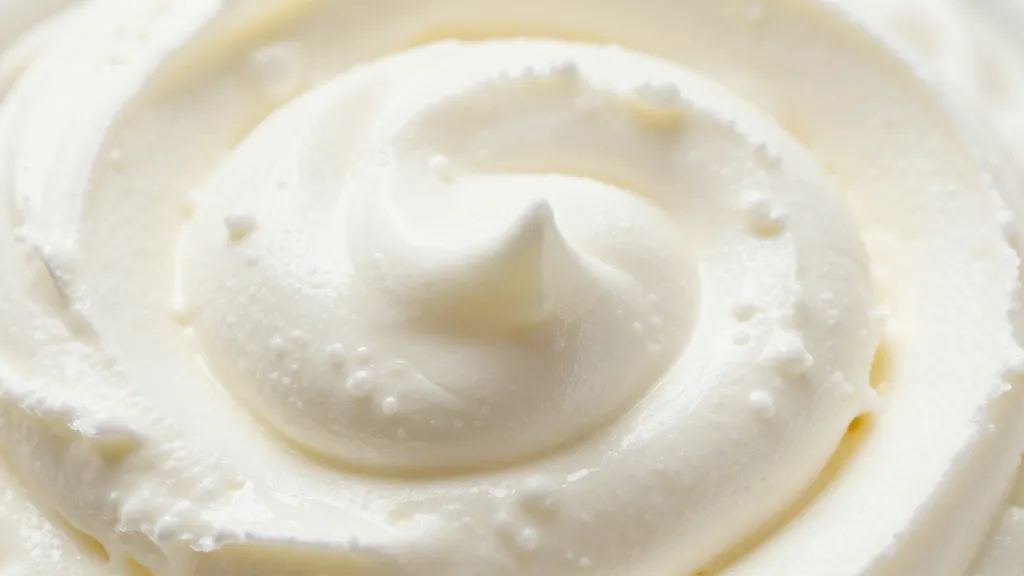
If you’re new to this, start easy. You don’t need fancy gadgets—just a blender, a hand mixer, or even a sturdy whisk.
- Start with the basics: 1 cup cottage cheese, 1–2 tablespoons milk or water, pinch of salt.
- Blend until creamy: Go for 30–60 seconds, scraping the sides as needed.
- Texture check: Want it lighter? add a splash more liquid and whip a bit longer.
A few pro tips for the silky texture
– Chill the cottage cheese first. Cold curds whip up smoother and less likely to clump.
– Use full-fat for creaminess, or go light for a lighter version. Your call, your goals.
– Don’t overblend. You don’t want cheese sauce vibes; you want whipped creaminess.
Flavor boosters: turning whipped cottage cheese into a versatile spread

The beauty here is customization. You’re basically painting with flavor.
- Savory ideas: garlic powder, chives, dill, smoked paprika, everything bagel seasoning.
- Herby freshness: parsley, basil, lemon zest, black pepper.
- Sweet twists: vanilla, cinnamon, a drizzle of honey or maple syrup, berries stirred in.
Top flavor combos to try
- Garlic + chive + cracked pepper on toasted sourdough
- Lemon zest + dill on cucumber rounds
- Vanilla + berries as a light breakfast spread
Texture hacks: getting the whipped-just-right mouthfeel
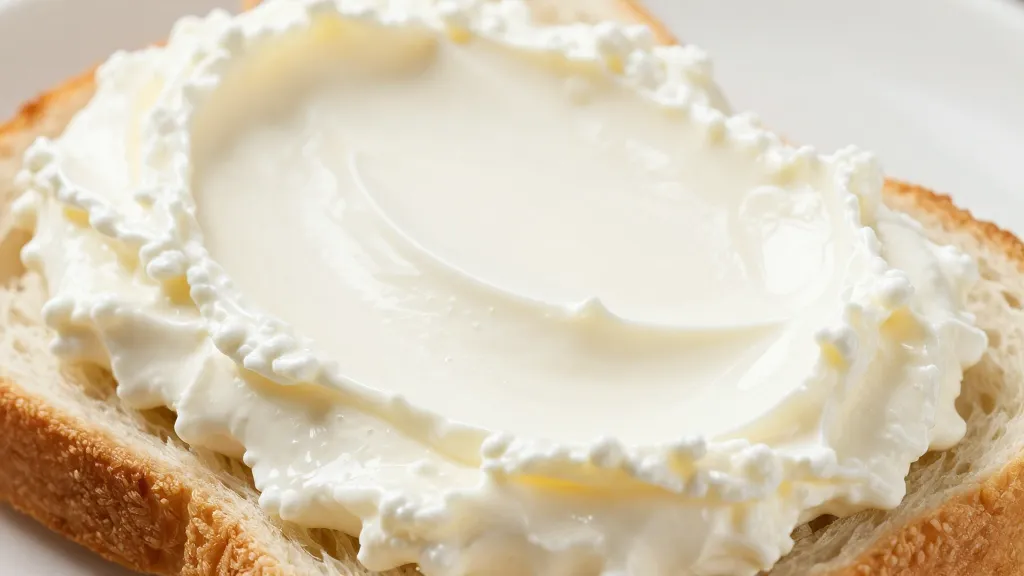
Texture can make or break it. If you’ve had grainy or chalky results, you’re not alone.
- Liquid balance matters: too little liquid and it’s stiff; too much and it’s soup. Start conservative.
- Creamier via add-ins: a spoonful of yogurt, cream cheese, or ricotta can smooth things out (but note calories and taste).
- Chill between steps: cold ingredients whip better and feel refreshing.
When to use add-ins for texture
– If you’re making a dip, a touch of silken tofu helps if you want extra creaminess without adding dairy fat.
– For a dessert-like whip, a dab of whipped cream gives you that airy finish without too much sweetness.
Meal-by-meal ideas: how to actually eat whipped cottage cheese
The real win is you can eat this stuff all day, every day. Here are some friendly ideas to keep things interesting.
- Breakfast: spread on toast with sliced peaches, or scoop onto a bowl of granola with fruit.
- Lunch: use as a veggie dip, or as a topper for avocado toast to add protein.
- Dinner: dollop onto grilled salmon or chicken for a protein boost with a creamy zing.
- Snack: whip, then swirl on apple slices or celery sticks with a pinch of salt.
Sweet twists for dessert vibes
– Mix in cocoa powder and a pinch of sugar for a light chocolate spread. Or use it as the creamy base for our Blueberry Cottage Cheese Breakfast Bake.
– Fold in mashed berries for a quick, low-sugar fruit parfait layer.
Storage, safety, and staying fresh
Let’s keep it tasty and safe, because nobody wants a whipped-curd scare.
- Storage: keep in an airtight container in the fridge. Best within 3–5 days.
- Safety: if it smells off or shows mold, don’t risk it. When in doubt, toss it out.
- Freezing: not ideal. Texture can suffer, so use fresh for best results.
Deeper dive: dairy-free and allergy-friendly options
If dairy isn’t your jam, you can still get whipped goodness without the dairy drama.
Non-dairy swaps that actually work
– Use blended silken tofu for a creamy base, then whip with almond milk.
– Coconut yogurt can be a No. 2 option, but adjust sweetness and flavor so it doesn’t taste coconut-forward.
Allergen-lite tweaks
– Skip dairy-free spreads with added gums if you’re sensitive; opt for simple, clean ingredients and whisk until smooth.
– Check labels for hidden starches or sugar in pre-packaged options.
FAQ
Can I whip cottage cheese without a blender?
Yes. A hand mixer works great, and even a sturdy whisk can do wonders if you have time and arm stamina. It just takes a bit longer and a few extra scrapes of the bowl.
What’s the best type of cottage cheese for whipping?
Full-fat cottage cheese tends to whip creamier and faster. If you’re watching calories, 2% can still be good, but the texture may be a touch lighter.
How can I make it taste less cottage-cheesy if I don’t like the tang?
Balance with a pinch of salt, a touch of sweetness, or your favorite herbs. A splash of lemon juice or vanilla can neutralize some tang and brighten the flavor.
Is whipped cottage cheese good for meal prep?
Absolutely. It holds well for a couple of days in the fridge and can top breakfasts, sauces, or dips. Just keep flavors clean so the texture stays versatile.
Can I heat whipped cottage cheese or use it in hot dishes?
You can warm it gently for a creamy pasta sauce or a dip, but heat can break the texture. Add heat gradually and keep it on the low side to maintain creaminess.
Conclusion
Whipped cottage cheese is your new flavor-fast, protein-packed ally. It’s approachable, endlessly adaptable, and surprisingly indulgent without tipping into dairy decadence. Whether you’re chasing a quick breakfast, a savory topper, or a dessert-like treat, the whip-and-tavor method is your best friend. So grab a tub, whip it up, and start remixing. IMO, you’ll wonder how you ever lived without this fluffy miracle. FYI, the more you experiment, the more you’ll love it.