

 By
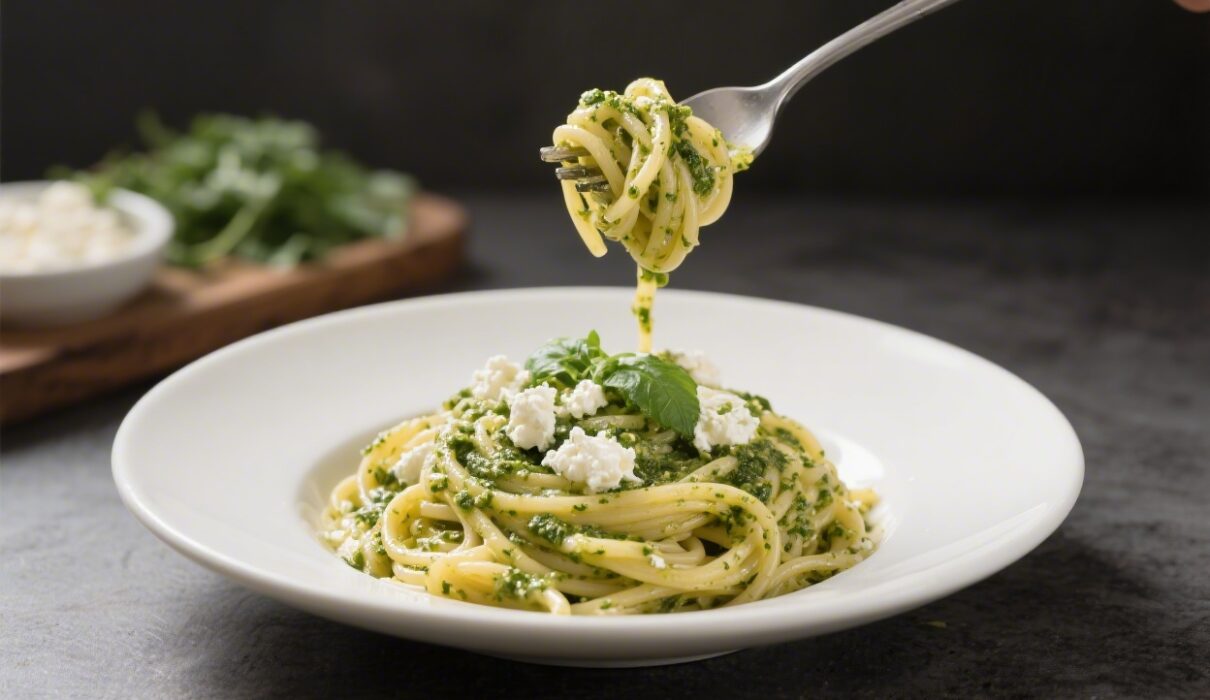
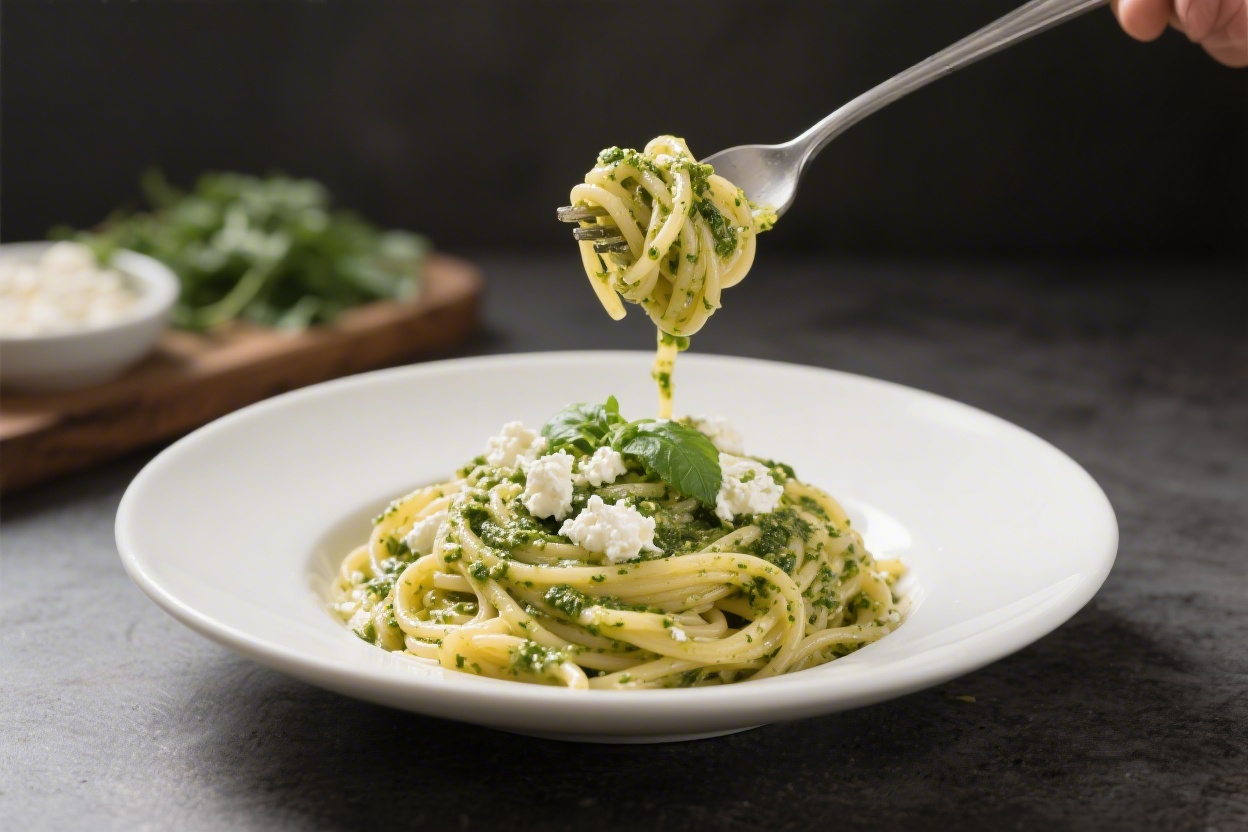
By This recipe takes classic pesto pasta and gives it a modern, protein-packed twist. If you love creamy high-protein pasta ideas, explore our Ultimate Cottage Cheese Pasta Guide for more variations.Cottage cheese blends into a silky sauce that’s creamy without being heavy, and it clings beautifully to warm noodles. You get the bright, herby punch of basil pesto with a smooth finish that tastes indulgent but feels light.
It comes together fast, uses simple ingredients, and works for both weeknights and meal prep. If you’re looking for a pasta that keeps you full and energized, this one earns a spot on repeat.
Ingredients
Method
- Boil the pasta: Bring a large pot of well-salted water to a rolling boil. Cook the pasta until just al dente. Reserve 1 cup of pasta water, then drain.
- Blend the sauce: In a blender or food processor, add cottage cheese, pesto, lemon zest, lemon juice, Parmesan, olive oil (if using), and garlic. Blend until completely smooth and creamy. Taste and season with salt and pepper.
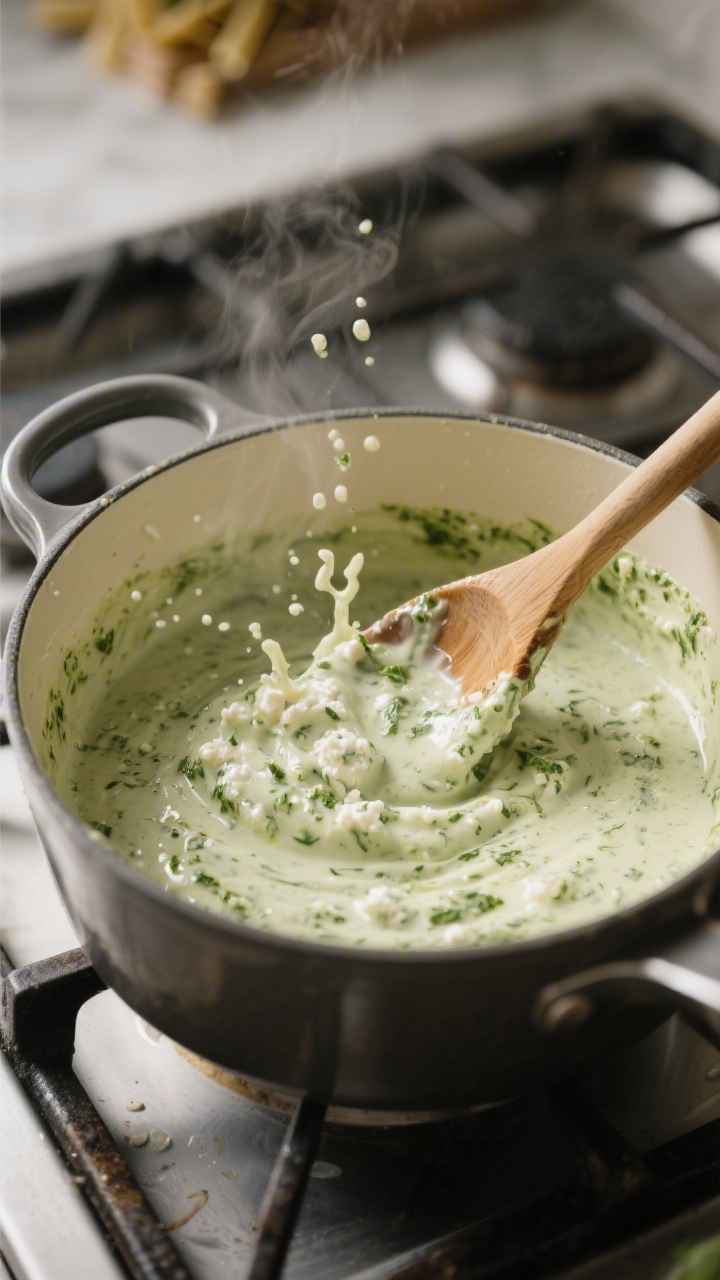
- Warm gently (optional): If you prefer a hot sauce, pour the blended sauce into the empty pasta pot over low heat. Stir for 1–2 minutes—do not boil—to keep it silky.
- Toss with pasta: Add the drained pasta to the pot with the sauce. Toss to coat, adding splashes of reserved pasta water as needed to loosen and gloss the sauce. It should cling but still look fluid.
- Add veggies or protein: Fold in spinach to wilt, or stir in peas, tomatoes, or pre-cooked protein. Warm through for 1 minute.
- Finish and serve: Season again with salt, pepper, or red pepper flakes. Top with extra Parmesan and a drizzle of olive oil. Serve immediately.
Why This Recipe Works
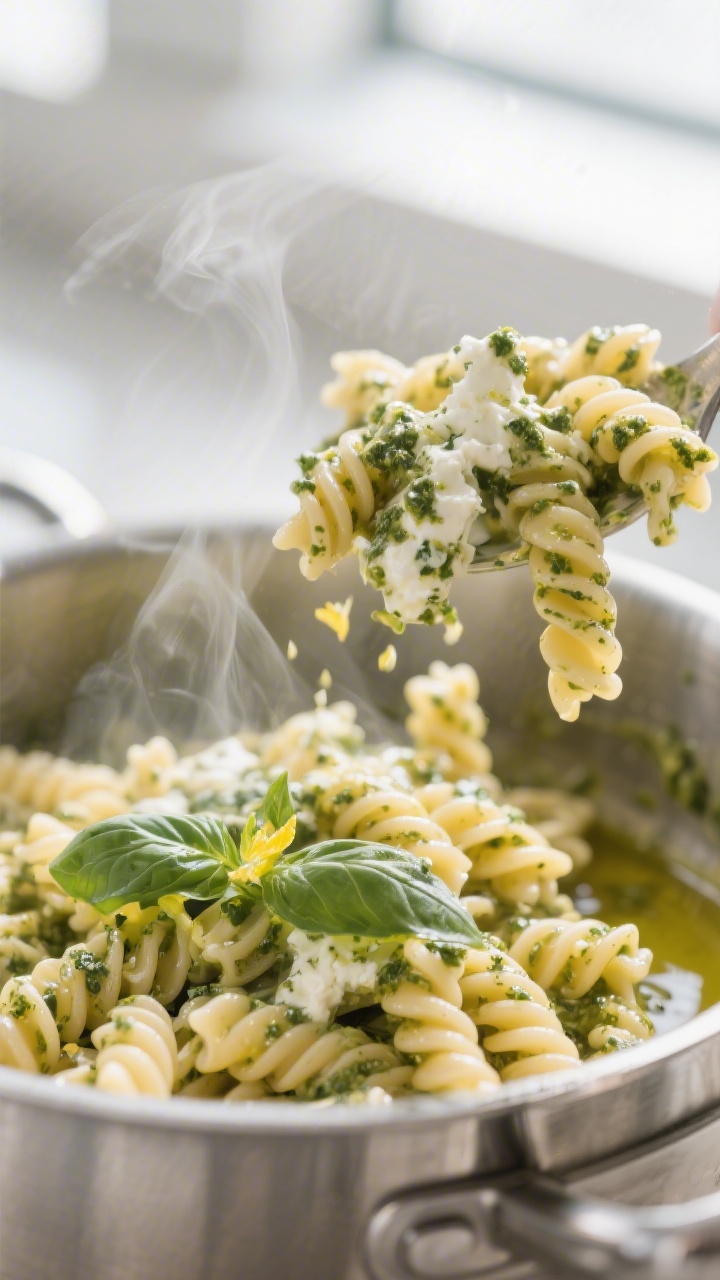
- High-protein, low fuss: Cottage cheese adds a big protein boost with minimal effort. Blending it with pesto turns it into a velvety sauce in seconds.
- Balanced flavor: The tangy creaminess of cottage cheese softens pesto’s sharp edges, so you get brightness without bitterness.
- Ultra creamy without cream: No need for heavy cream or loads of oil.The curds blend smooth, giving a lux texture that feels comforting.If you prefer a richer, classic-style version, try our 5-Minute Creamy Cottage Cheese Pasta Sauce.
- Warm or cold: Great right off the stove or chilled as a pasta salad. It stays creamy and doesn’t seize up.
- Custom-friendly: Toss in peas, grilled chicken, cherry tomatoes, or spinach. The base sauce plays well with add-ins.
What You’ll Need
- Pasta: 12 ounces short pasta (fusilli, rotini, penne, or shells).Shapes with grooves hold the sauce best.
- Cottage cheese: 1 1/2 cups (full-fat or 2% for the creamiest result). Low-fat works but won’t be as rich.
- Pesto: 1/2 cup good-quality basil pesto (store-bought or homemade).
- Lemon: Zest and juice of 1/2 lemon for brightness.
- Parmesan: 1/3 cup finely grated Parmigiano-Reggiano or Pecorino Romano, plus more for serving.
- Olive oil: 1–2 tablespoons, optional, for gloss and mouthfeel.
- Garlic: 1 small clove, grated or finely minced (optional if your pesto is garlicky).
- Salt and pepper: To taste. Kosher salt for pasta water; black pepper or red pepper flakes for heat.
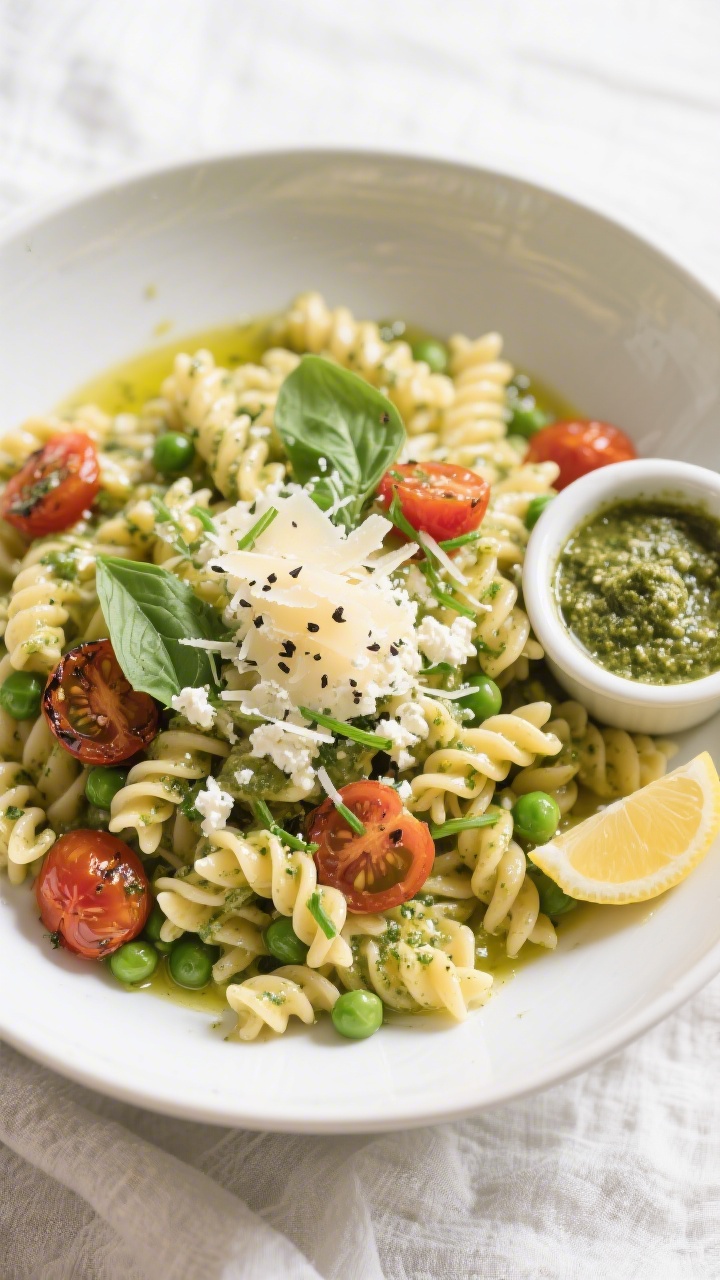
- Add-ins (optional): 1–2 cups baby spinach, peas, roasted cherry tomatoes, grilled chicken, or shrimp.
Instructions
- Boil the pasta: Bring a large pot of well-salted water to a rolling boil.Cook the pasta until just al dente. Reserve 1 cup of pasta water, then drain.
- Blend the sauce: In a blender or food processor, add cottage cheese, pesto, lemon zest, lemon juice, Parmesan, olive oil (if using), and garlic. Blend until completely smooth and creamy.For ultra-smooth texture tips, see our Whipped Cottage Cheese Guide.Taste and season with salt and pepper.
- Warm gently (optional): If you prefer a hot sauce, pour the blended sauce into the empty pasta pot over low heat. Stir for 1–2 minutes—do not boil—to keep it silky.The same gentle-heating method is key in our Cottage Cheese Alfredo Sauce.
- Toss with pasta: Add the drained pasta to the pot with the sauce. Toss to coat, adding splashes of reserved pasta water as needed to loosen and gloss the sauce.It should cling but still look fluid.
- Add veggies or protein: Fold in spinach to wilt, or stir in peas, tomatoes, or pre-cooked protein. Warm through for 1 minute.
- Finish and serve: Season again with salt, pepper, or red pepper flakes. Top with extra Parmesan and a drizzle of olive oil.Serve immediately.
How to Store
- Refrigerator: Store in an airtight container for up to 3 days. The sauce may thicken in the fridge.
- Reheating: Reheat gently on the stovetop over low heat with a splash of water or milk to loosen. Avoid high heat to prevent curdling.
- Meal prep tip: Keep a small container of extra pesto or lemon to refresh the flavor when serving leftovers.
- Freezing: Not ideal.The dairy can separate after thawing. If you must freeze, do so without the pasta and reblend when reheating.
Why This is Good for You
- Protein-rich: Cottage cheese brings a substantial protein boost, helping with satiety and muscle repair.
- Calcium and B vitamins: Cottage cheese and Parmesan add calcium for bone health and B vitamins for energy metabolism.
- Healthy fats: Pesto and olive oil offer heart-friendly fats that enhance nutrient absorption and keep you satisfied.
- Fiber potential: Choosing whole-wheat pasta and adding veggies raises the fiber count, supporting digestion and steady energy.
- Lighter than cream sauces: You get creamy comfort without heavy cream, keeping the dish balanced and not overly rich.
Common Mistakes to Avoid
- Using unsalted pasta water: Underseasoned pasta tastes flat. Salt the water until it tastes like the sea.
- Overheating the sauce: Boiling can cause separation.Warm gently or just toss with hot pasta.
- Skipping pasta water: The starchy water helps the sauce emulsify and cling. Keep at least 1 cup before draining.
- Too much lemon: A little brightens; too much can make the sauce tangy and thin. Start small and taste.
- Grainy sauce: Blend fully until smooth.If your blender struggles, add a splash of pasta water to help it along.
Recipe Variations
- Spinach-basil pesto: Blend half basil and half baby spinach for a milder, budget-friendly pesto.
- Spicy kick: Add Calabrian chili paste or extra red pepper flakes to the sauce before blending.
- Lemon-pepper twist: Increase lemon zest and finish with cracked black pepper for a bright, zesty profile.
- Veggie-loaded: Stir in roasted zucchini, blistered cherry tomatoes, or sautéed mushrooms for extra texture and color. For a comfort-food spin, check out our High-Protein Cottage Cheese Mac & Cheese.
- Extra protein: Toss in grilled chicken, seared shrimp, or chickpeas. You can also serve it alongside our High-Protein Cottage Cheese Stuffed Chicken for a complete dinner. For an extra boost, try using chickpea or lentil pasta.
- Lactose-conscious: Use lactose-free cottage cheese and check the pesto label. Parmesan is naturally low in lactose.
- Nut-free pesto: Choose a nut-free pesto or make your own with pumpkin seeds or sunflower seeds.
FAQ
Can I use low-fat cottage cheese?
Yes.
Low-fat will still blend creamy, but full-fat gives a richer texture and better mouthfeel. If using low-fat, a teaspoon of olive oil can round it out.
Do I need a blender?
A blender or food processor makes the sauce perfectly smooth. In a pinch, use an immersion blender.
Without a blender, the sauce will be creamy but slightly textured.
What pasta shape works best?
Short, ridged shapes like fusilli, rotini, or shells hold the sauce well. Long noodles work too, but you may need a little extra pasta water to help coat evenly.
Is this good served cold?
Absolutely. It makes a great pasta salad.
Chill it and add extra lemon juice or a spoon of pesto before serving to brighten the flavors.
How can I make it gluten-free?
Use your favorite gluten-free pasta. Keep an eye on cook time, as some gluten-free pastas go from al dente to soft quickly.
Can I make the sauce ahead?
Yes. Blend the sauce and refrigerate for up to 2 days.
Whisk before using and add a splash of warm pasta water to loosen if needed.
What if my sauce separates?
Usually this happens from overheating. Remove from heat and vigorously stir in a bit of warm pasta water. Blending again can rescue it, too.
How much salt should I use in pasta water?
Aim for about 1–1.5 tablespoons kosher salt per 4 quarts of water.
It seasons the pasta from the inside and improves the overall flavor.
Can I add fresh herbs?
Yes. Chopped basil, parsley, or chives on top add freshness and color. Fold them in right before serving.
Is this kid-friendly?
Often yes.
The creamy sauce mellows pesto’s sharpness. If serving kids, go easy on garlic and red pepper flakes.
Wrapping Up
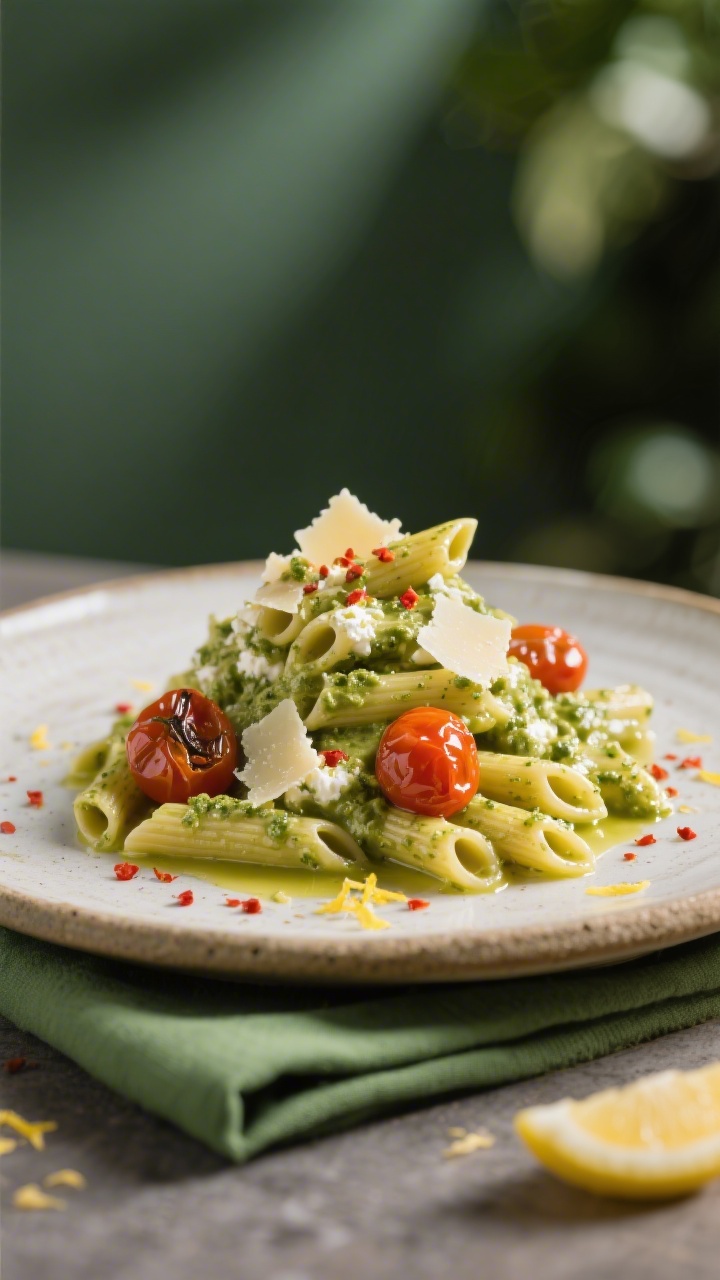
High-Protein Cottage Cheese Pesto Pasta gives you creamy comfort with a smart protein boost. It’s quick, flexible, and tastes great warm or cold.
Keep the staples on hand—pasta, cottage cheese, pesto—and you’re never far from a satisfying meal. Add a squeeze of lemon, fresh Parmesan, and your favorite veggies, and you’ve got a go-to dish that checks every box.
Printable Recipe Card
Want just the essential recipe details without scrolling through the article? Get our printable recipe card with just the ingredients and instructions.