

 By
By A hot, chewy crust that tastes like magic and a cottage cheese twist you can’t resist? Yes please. If you’ve been chasing a crisp pizza crust that won’t ghost your waistline or your schedule, you’re in the right kitchen. Let’s ditch the soggy excuses and get to the good stuff: crispy cottage cheese pizza crust that actually delivers.
What makes cottage cheese crust so darn intriguing
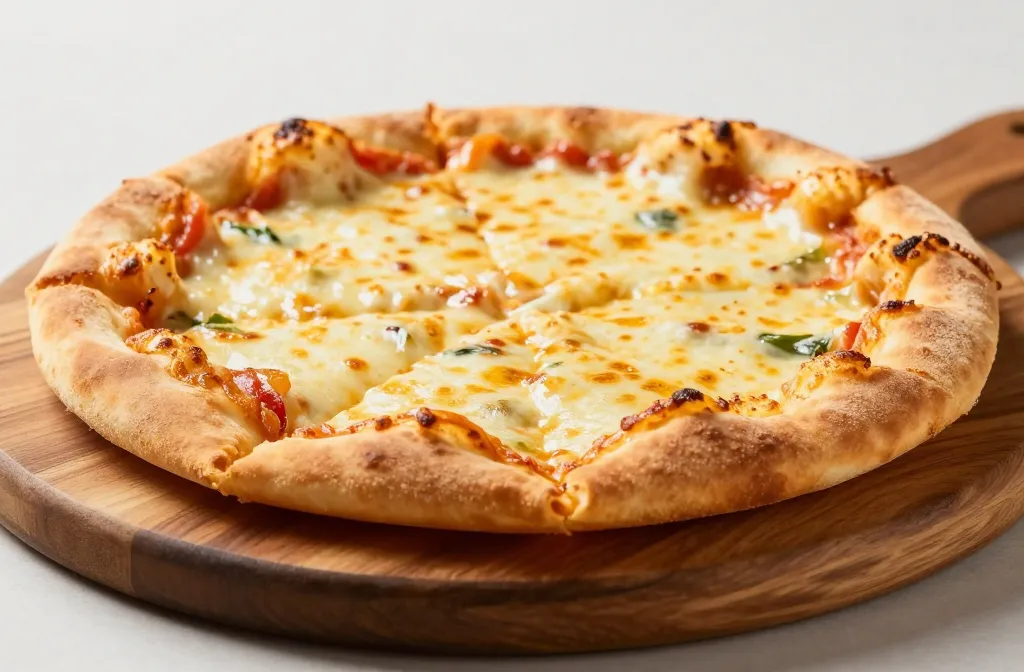
You’ve probably heard that cottage cheese is basically just tiny curd magic. The truth? It adds moisture, protein, and a tang that makes crusts sing when you bake them hot and fast. The trick is balancing that creaminess with enough structure to hold toppings without becoming a floppy mess, much like in this Cottage Cheese Pizza Crust version.
– It’s a high-protein base, so you can pretend you’re being virtuous while still indulging.
– When you squeeze the moisture out, you unlock a crisp, crackly edge that crunches like a dream.
– The texture can surprise you: a lacy, light crumb with a sturdy bite.
FYI, you don’t need fancy ingredients to make this shine, especially if you already love quick cottage cheese dinners. A few pantry staples can produce serious wow factor.
The base game plan: ingredients and ratios
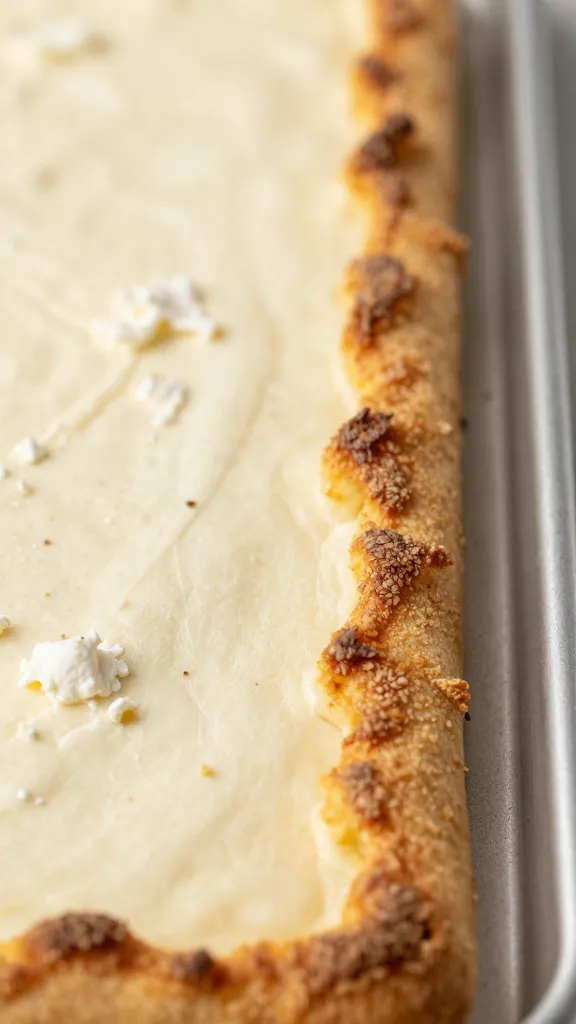
Let’s get practical. The core here is simple: cottage cheese, flour or a gluten-free alternative, a binding agent, and a touch of fat for flavor. Here are two solid paths you can pick from, depending on your vibe.
Path A: fluffy-crisp hybrid
– 1 cup cottage cheese, well-drained
– 1/2 cup shredded mozzarella for melt and chew
– 1/4 cup all-purpose flour or almond flour for binding
– 1 large egg for structure
– 1/4 teaspoon salt and a pinch of garlic powder for swagger
– Optional: 1 tablespoon grated parmesan for extra kiss of flavor
Path B: gluten-free and sturdy
– 1 cup well-drained cottage cheese
– 1/2 cup gluten-free flour blend
– 1/4 cup tapioca starch for chew
– 1 egg
– 1/2 teaspoon baking powder to help lift
– 1/4 teaspoon salt
– A splash of olive oil for richness
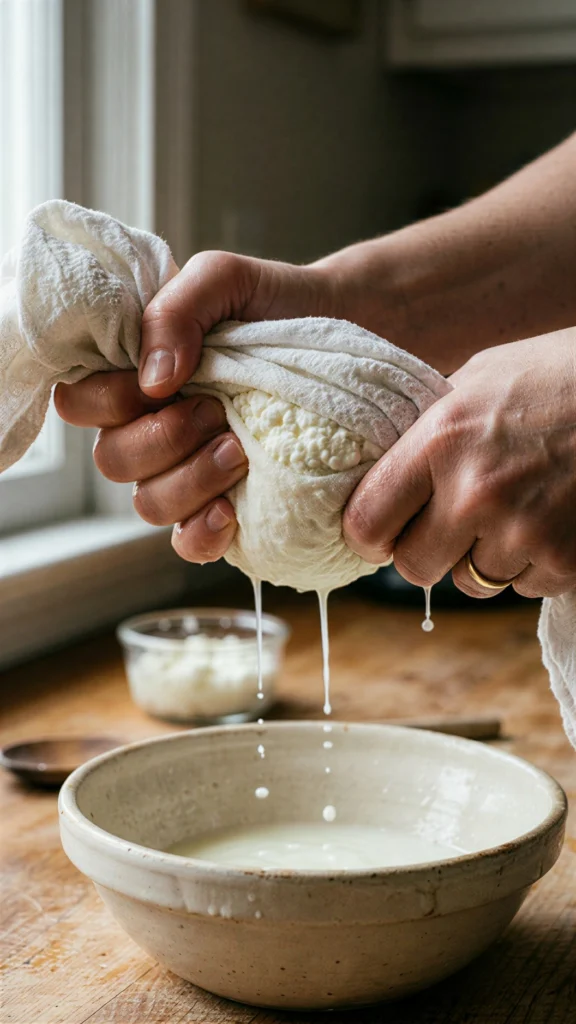
– Drain cottage cheese well. The wetter it is, the softer your crust will be. Squeeze until you’re sure you’ve wrung out every last drop.
– Don’t overdo the cheese. Balance is your friend here; too much moisture equals soggy, even if you bake at 500°F.
Technique is king: from mix to bake
The magic happens in the steps, not in some secret sorcery. Follow these moves and you’ll skip the trial-and-error pit of crust failure.
– Preheat hot: crank your oven to around 450–500°F (230–260°C). A hot oven is your crust’s best friend.
– Press, don’t roll: pat the dough onto parchment into a thin, even layer. Think a sheet-pan pizza vibe, not a thick loaf.
– Par-bake time: bake 6–8 minutes until the edges start to brown and you smell toasty goodness. This locks in the structure.
– Add toppings, then finish bake: load your favorites and bake 6–12 more minutes until the cheese bubbles and the crust is crisp at the edges.
– Let it rest: a 2–3 minute pause helps the crust set so it won’t tear when you slice.
Crunchy tips for maximum crispness
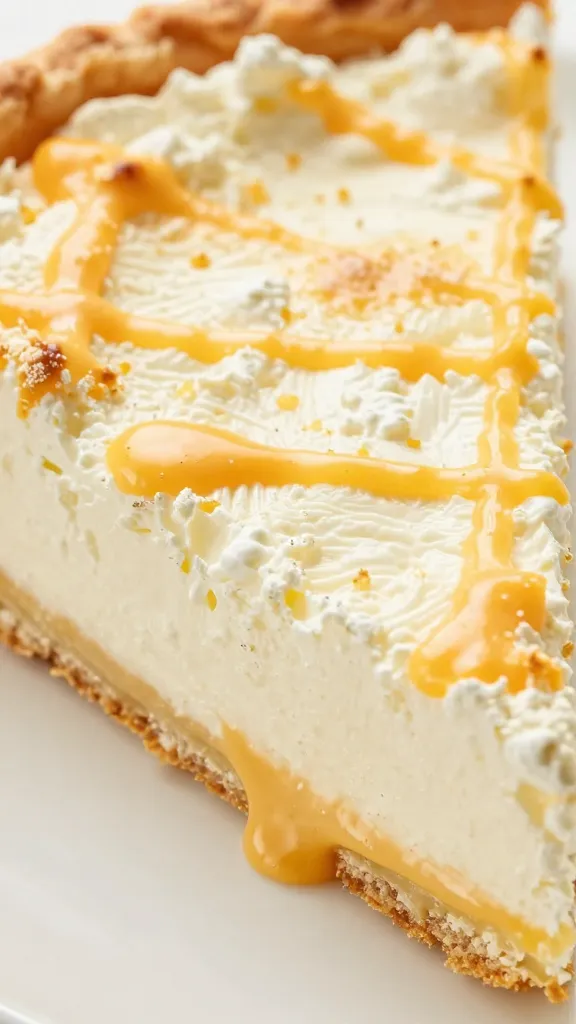
If you’re chasing a truly crackly bite, these micro-tips will level up your crust.
– Bake on a hot surface: a preheated pizza stone or heavy baking sheet guarantees bottom crispness.
– Use parchment or a silicone mat: prevents sticking without adding extra fat.
– Slice after a rest: give your crust a moment to settle; this keeps slices intact.
– Oil the edges lightly: a tiny brush of olive oil around the crust’s rim adds sheen and crunch.
– Go extra with a finish: a light sprinkle of cornmeal under the dough before you press it helps it glide and adds texture.
Flavor boosters that don’t weigh you down
Cottage cheese crust is already dreamy, but the right additions bring it to life.
– Garlic and herbs: minced garlic, oregano, and dried basil create a savory perfume.
– Cheese on top: a sprinkle of parmesan or sharp cheddar toward the end boosts color and ooze.
– Rework the cheese: toss in a few tablespoons of grated mozzarella on the raw dough for extra melt.
– A tangy twist: a few dashes of hot sauce or a smear of pesto can elevate the crust itself.
Common pitfalls and how to dodge them
We all have crust disasters lurking in the shadows. Here’s how not to feed the horror stories.
– Too wet, too sad: drain longer or press between towels. Moisture is a crust’s kryptonite.
– Soggy bottom syndrome: preheat, par-bake, and use a hot surface to prevent sogginess.
– Crumbling mess: add a touch more binding agent or a tiny extra egg if the dough cracks when you roll.
– Under-seasoned crust: the crust should be tasty on its own. Don’t skip salt—invest in flavor.
Variations worth trying
If you’re feeling adventurous, these tweaks work well, especially if you enjoy creative cottage cheese recipes.
– Herb-forward crust: mix in 1 teaspoon dried oregano and 1/2 teaspoon crushed red pepper into Path A.
– Cheesy melt-in: add 1/4 cup grated mozzarella directly to the dough for extra stretch.
– Seeded crust: sprinkle sesame or poppy seeds on the parchment before placing the dough for a flavorful crunch.
– Whole-grain vibe: swap part of the flour with finely ground whole wheat or spelt for a heartier bite.
When to call it a win and call it a meal
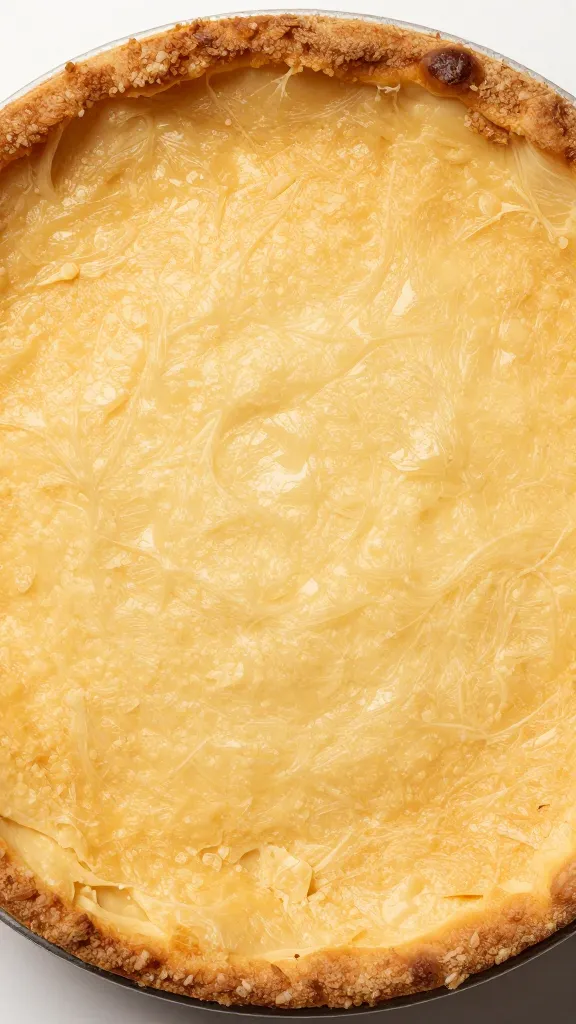
Crust success isn’t just about how it looks; it’s about how you vibe with it.
– If you can cut clean slices, lift a piece, and hear that crisp crack, you nailed it.
– If your toppings stay put and the crust holds its integrity, congrats, you’ve cracked the code.
– If you’re smiling after every bite and you haven’t secretly blamed your oven, it’s a win, IMO.
Quick troubleshooting check-in
– Crust too soft? Bake a couple more minutes on a hot surface.
– Tastes flat? Salt or a touch of garlic powder can punch it up.
– Dough sticks to parchment? A light dusting of flour or oil helps.
FAQ
Can I refrigerate the dough for later?
Yes. Wrap tightly and refrigerate up to 24 hours. Bring it to room temp and give it a quick re-roll or press before baking.
Is cottage cheese crust vegan-friendly?
Traditional cottage cheese contains dairy, so it isn’t vegan. You can try a plant-based cheese alternative, but the texture and moisture balance will shift. FYI, you might need to adjust bindings and liquids.
How long does it take from start to finish?
Plan for about 25–35 minutes total, depending on oven and thickness. If you par-bake, you’ll add a few more minutes, but it’s worth it for the crunch.
Can I freeze baked crusts?
Yes. Let the crust cool completely, wrap well, and freeze. Reheat on a hot surface for best crispness.
What toppings work best with this crust?
Anything you love on regular pizza can work, but keep in mind extra-heavy toppings can weigh down the crust. Light sauces, veggies, and modest amounts of cheese are ideal.
Conclusion
Crispy cottage cheese pizza crust isn’t just a hack; it’s a tiny rebellion against boring dough. It’s approachable, adaptable, and surprisingly forgiving once you get the hang of the moisture balance and heat management. So preheat, drain, press, bake, and top with confidence. FYI, the first bite might surprise you in the best way possible—crisp, creamy, and totally crave-worthy. Try it, tweak it, and tell me how your crust turned out. This is your new weeknight champion.