
 By
By What if you could make a rich, creamy pasta sauce… without cream, butter, or flour?
Sounds weird, but it actually works really well.
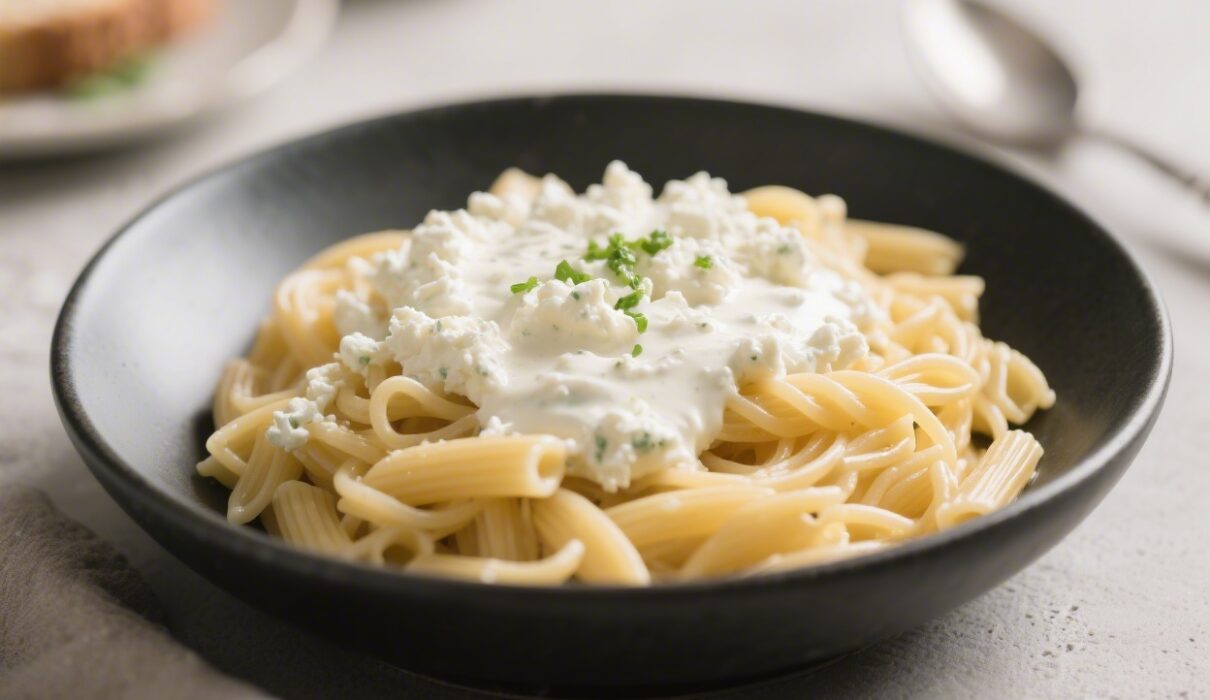
This cottage cheese pasta sauce blends into a silky, Alfredo-style sauce in just 5 minutes. It’s high in protein, surprisingly creamy, and perfect when you want comfort food without feeling heavy afterward.
Fastest Way to Make Creamy Pasta Sauce Without Heavy Cream
The fastest way to make creamy pasta sauce without cream is by blending cottage cheese with garlic, Parmesan, and a little pasta water. It creates a smooth, high-protein sauce in under 5 minutes—no roux or heavy cream needed.
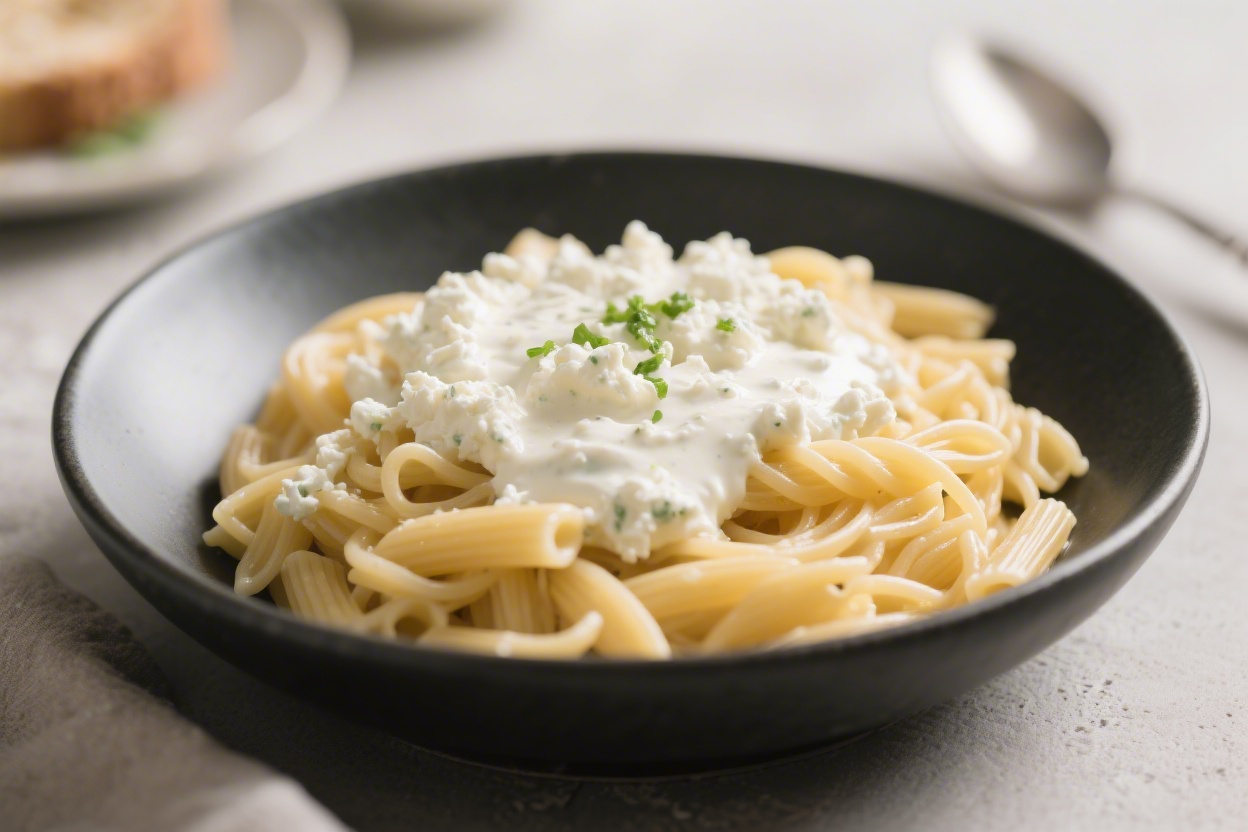
Creamy Cottage Cheese Pasta Sauce (High-Protein & Ready in 10 Minutes) - Fast, Comforting, and Satisfying
Ingredients
Method
- Boil the pasta: Bring a large pot of salted water to a boil. Cook pasta until just al dente according to package directions. Reserve 1/2 cup pasta water before draining.
- Blend the sauce base: In a blender, add cottage cheese, Parmesan, garlic, olive oil, lemon juice, salt, and a few grinds of pepper. Add 2 tablespoons hot pasta water and blend until completely smooth and creamy.
- Adjust consistency: If the sauce is very thick, blend in another tablespoon or two of pasta water. You’re aiming for a pourable, velvety texture that will cling to noodles.
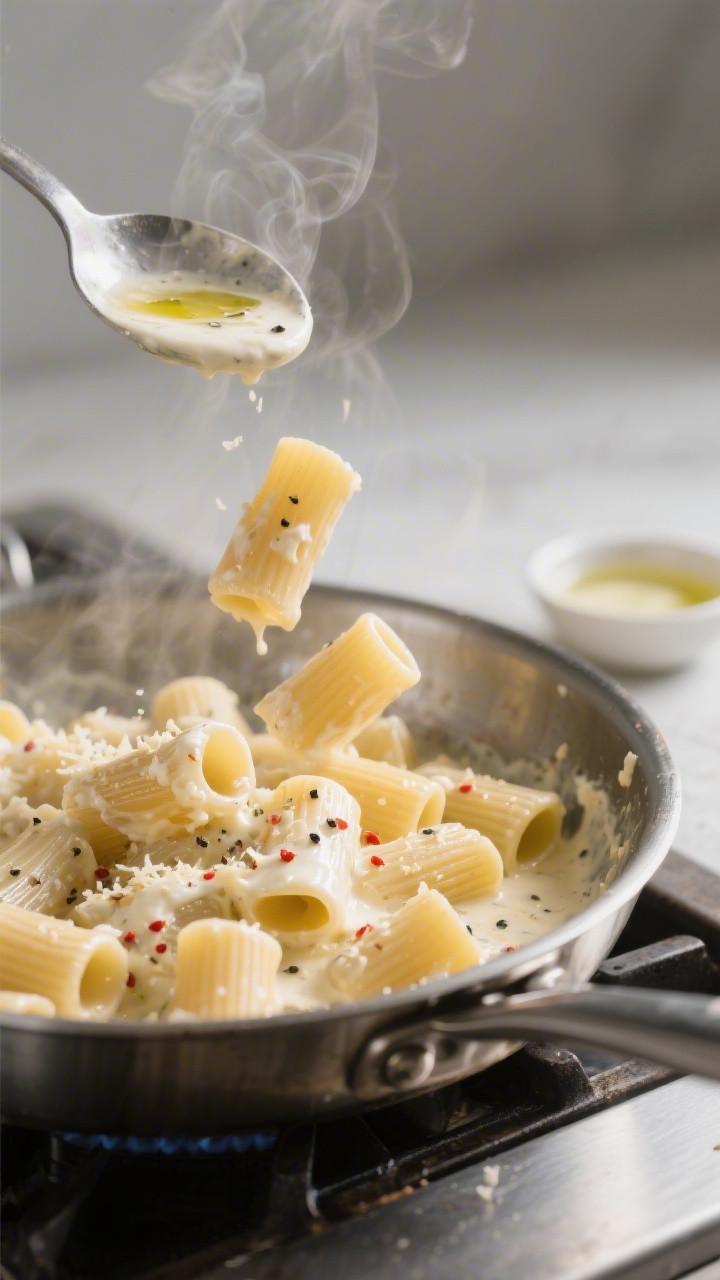
- Warm it gently (optional): Return the drained pasta to the warm pot over low heat. Pour in the sauce and toss for 30–60 seconds until heated through. Do not boil the sauce—gentle heat keeps it silky.
- Season and finish: Taste and add more salt, pepper, or lemon as needed. Sprinkle red pepper flakes and fresh herbs if you like. Add a splash more pasta water if it tightens up.
- Serve: Plate immediately with extra Parmesan on top. Enjoy while hot and glossy.
Why This Recipe Works
- High protein, low effort: Cottage cheese blends into a smooth, creamy base that’s naturally protein-packed—no need for cream or roux.
- Ultra-creamy texture: Blending with a touch of starchy pasta water gives you a luscious, clingy sauce, similar to techniques used in high-protein cottage cheese pesto pasta.
- Balanced flavor: Parmesan, garlic, lemon, and olive oil round out the tang of cottage cheese for a savory, bright finish.
- Fast and forgiving: Everything comes together in one pot and one blender in under 10 minutes, just like this 5-minute creamy cottage cheese pasta sauce.
- Versatile: Works with any pasta and welcomes veggies, chicken, or shrimp for easy add-ins.
What You’ll Need
- 8 ounces (225 g) pasta – short shapes like penne, rigatoni, or shells, or long pasta like fettuccine
- 1 cup (225 g) cottage cheese – 2% or full-fat for best creaminess
- 1/3 cup (30 g) grated Parmesan – plus more for serving
- 1–2 cloves garlic – raw for punch, or lightly sautéed for mellow flavor
- 2–3 tablespoons pasta cooking water – start small, add more as needed
- 1 tablespoon olive oil – optional, but adds silkiness
- 1 teaspoon lemon juice – brightens the sauce
- 1/4 teaspoon kosher salt – to taste
- Freshly ground black pepper
- Red pepper flakes – optional, for a gentle kick
- Fresh herbs – parsley or basil, chopped (optional)
Step-by-Step Instructions
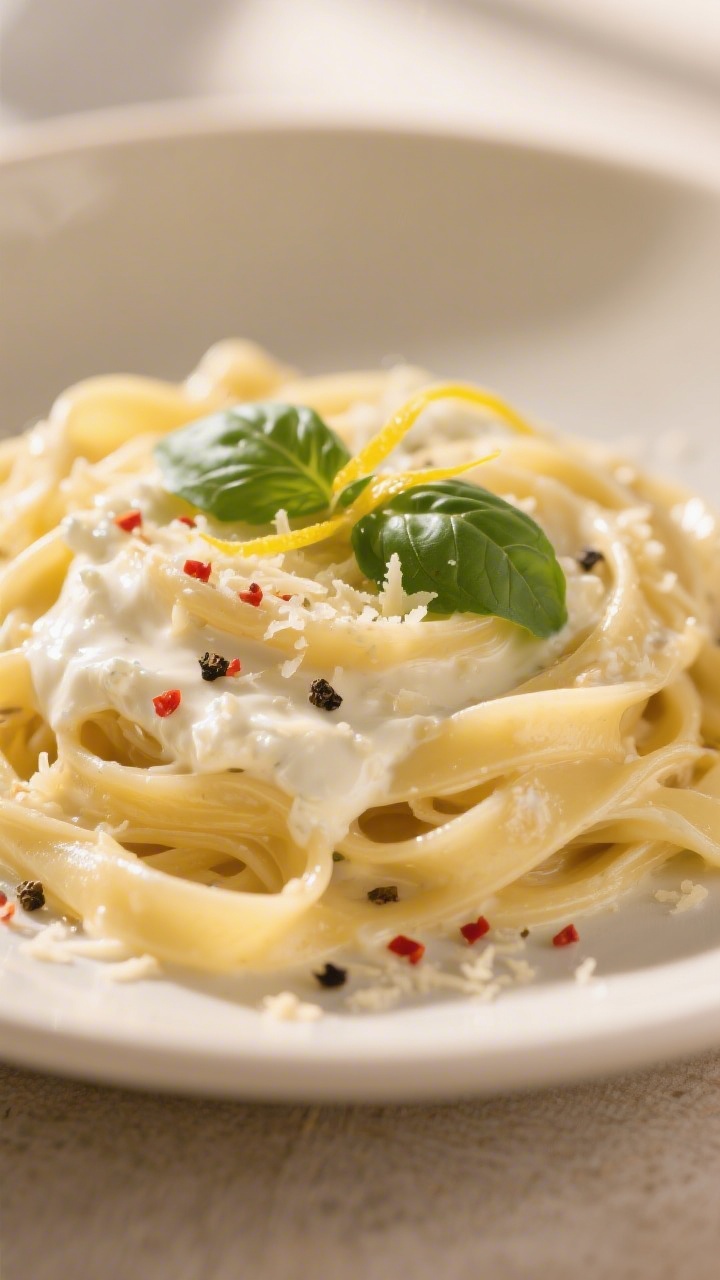
- Boil the pasta: Bring a large pot of salted water to a boil. Cook pasta until just al dente according to package directions. Reserve 1/2 cup of pasta water before draining.
- Blend the sauce base: In a blender, add cottage cheese, Parmesan, garlic, olive oil, lemon juice, salt, and a few grinds of pepper.Add 2 tablespoons hot pasta water and blend until completely smooth and creamy.
- Adjust consistency: If the sauce is very thick, blend in another tablespoon or two of pasta water. You’re aiming for a pourable, velvety texture that will cling to noodles.
- Warm it gently (optional): Return the drained pasta to the warm pot over low heat. Pour in the sauce and toss for 30–60 seconds until heated through. Do not boil the sauce—gentle heat keeps it silky.
- Season and finish: Taste and add more salt, pepper, or lemon as needed.Sprinkle red pepper flakes and fresh herbs if you like. Add a splash more pasta water if it tightens up.
- Serve: Plate immediately with extra Parmesan on top. This sauce also works beautifully in dishes like high-protein cottage cheese mac and cheese.
Keeping It Fresh
- Storage: Refrigerate leftover sauce or sauced pasta in an airtight container for up to 3 days.
- Reheating: Warm gently over low heat with a splash of water or milk to loosen.Avoid high heat, which can cause graininess.
- Make-ahead tip: For the best texture, blend the sauce fresh. If you must prep ahead, store the sauce separately from pasta and re-blend with a bit of warm water before serving.
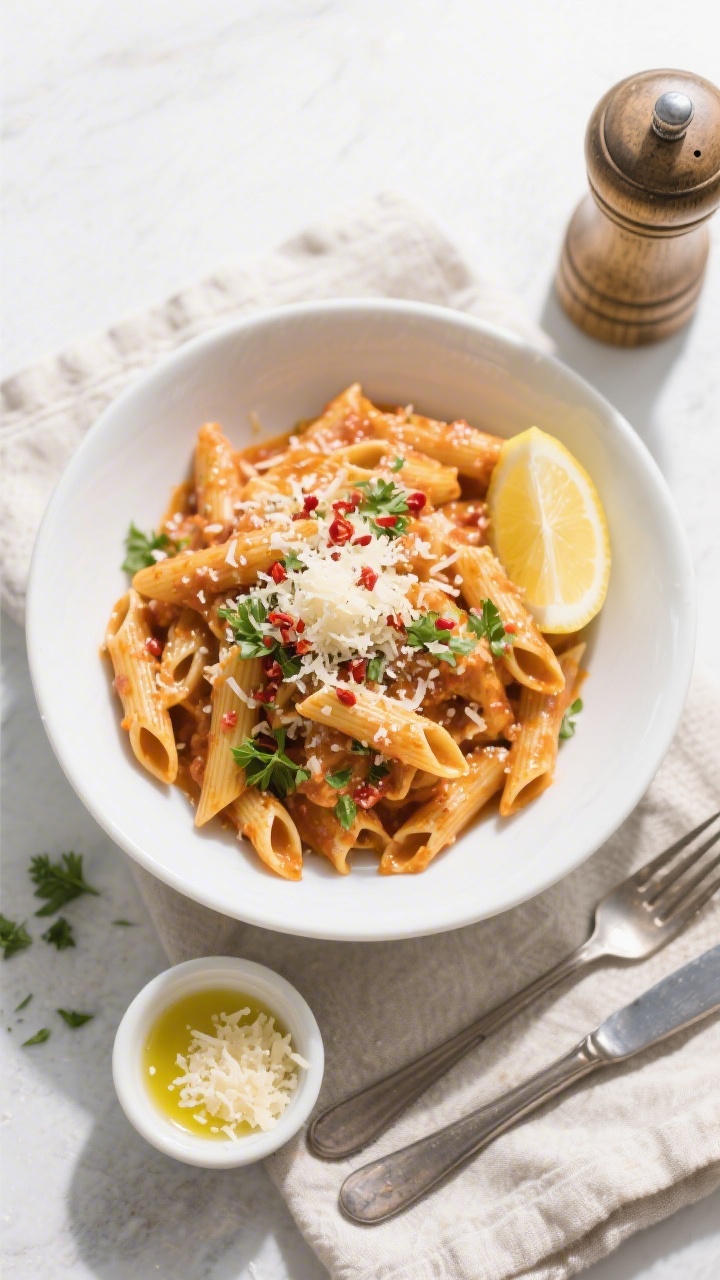
Why This is Good for You
- Protein boost: Cottage cheese packs 12–15 grams of protein per half cup, helping you feel full and energized, according to Healthline’s guide to cottage cheese nutrition.
- Lighter than cream sauces: You get the same creamy experience with less saturated fat and more nutrients.
- Calcium and B vitamins: Dairy provides bone-supporting minerals and vitamins that support energy and metabolism, as explained by the Harvard Nutrition Source dairy overview.
- Customizable carbs and fiber: Pair with whole-grain or legume pasta and add veggies for extra fiber and micronutrients.
Pitfalls to Watch Out For
- Overheating the sauce: High heat can cause separation or a curdled look. Keep it low and gentle.
- Not blending enough: If the sauce isn’t ultra-smooth, blend longer.A high-speed blender gives the best texture.
- Skipping pasta water: That starchy liquid is your texture insurance. It helps the sauce cling and stay silky.
- Under-seasoning: Taste and adjust. Cottage cheese is mild; it needs salt, acid, and Parmesan to pop.
- Using very low-fat cottage cheese: It can turn thin or chalky. 2% or full-fat blends are best.
Variations You Can Try
- Spinach and lemon: Stir in a few cups of baby spinach until wilted, and add extra lemon zest.
- Garlic-herb: Sauté minced garlic in olive oil, then blend it in.Finish with parsley, basil, or chives.
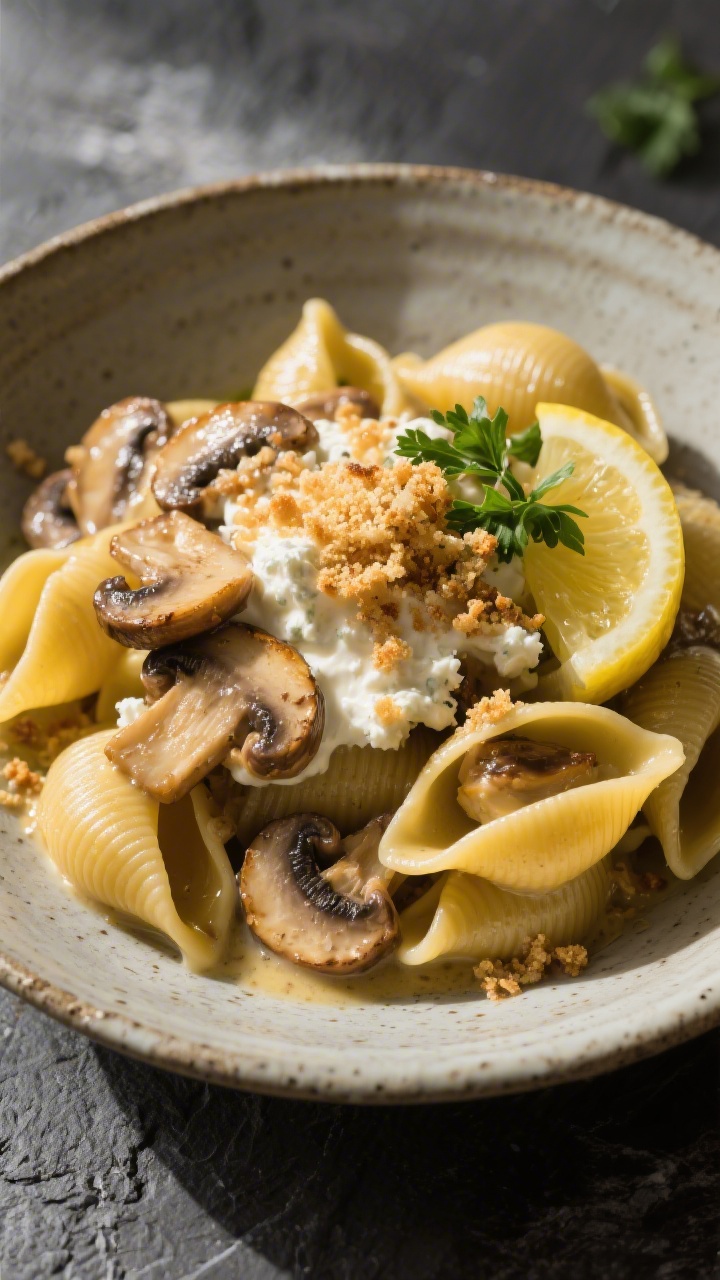
- Mushroom umami: Pan-sear sliced mushrooms until golden and fold them into the finished pasta.
- Chicken or shrimp: Add cooked, seasoned chicken breast or quick-seared shrimp for even more protein.
- Sun-dried tomato: Blend a few oil-packed sun-dried tomatoes into the sauce for a tangy, rose-colored twist.
- Spicy Calabrian: Blend in a teaspoon of Calabrian chili paste and finish with toasted breadcrumbs.
- Pesto swirl: Dollop a spoonful of basil pesto into each bowl and swirl for a fresh, herby finish.
- Roasted garlic: Swap raw garlic for roasted cloves to make the sauce sweet, mellow, and deeply aromatic.
FAQ
Can I use ricotta instead of cottage cheese?
Yes. Ricotta will give a slightly sweeter, milder flavor and a similar creamy texture. You may need a bit more pasta water to loosen it, and you’ll likely want extra salt and Parmesan to balance the sweetness.
What if I don’t have a high-speed blender?
A regular blender or food processor works.
Blend a little longer, and consider straining the sauce through a fine-mesh sieve if you want it extra smooth.
Is this sauce good with gluten-free pasta?
Absolutely. It pairs well with gluten-free or legume-based pastas. Just be mindful that some GF pastas absorb more liquid; hold back some of the sauce water to adjust at the end.
How can I make it lactose-friendly?
Use lactose-free cottage cheese and Parmesan labeled lactose-free.
The method and taste remain the same.
Can I freeze the sauce?
It’s not ideal. Dairy-based sauces can separate after thawing. If you do freeze it, re-blend gently with warm water and heat on low to bring it back together.
Can You Really Replace Cream with Cottage Cheese?
Yes, and most people can’t tell the difference.
Once blended, cottage cheese turns smooth and creamy. With garlic, Parmesan, and pasta water, it tastes very close to Alfredo sauce, but it’s lighter and higher in protein.
Will the sauce taste like cottage cheese?
Honestly, no. Once everything is blended with garlic and Parmesan, it tastes like a lighter Alfredo sauce. The “cottage cheese” flavor disappears.
How do I make it even creamier?
Add a tablespoon of cream cheese or a splash of half-and-half to the blender. You can also finish with a knob of butter for extra gloss.
Can I add vegetables directly to the sauce?
Yes.
Blend in roasted red peppers, steamed cauliflower, or a handful of spinach for color and nutrients. Adjust seasoning afterward.
What pasta shape works best?
Short, ridged shapes like rigatoni, penne, or shells hold the sauce beautifully. Fettuccine or spaghetti also works—just toss vigorously to coat.
How do I prevent a grainy texture?
Blend thoroughly, use 2% or full-fat cottage cheese, and avoid overheating.
Add pasta water gradually and keep the sauce warm, not boiling.
Try These Next
If you liked this recipe, here are a few more creamy, high-protein pasta ideas to try next:
- Cottage Cheese Alfredo Sauce (Creamy but Lighter)
- High-Protein Cottage Cheese Pesto Pasta (Fresh & Easy)
- High-Protein Cottage Cheese Mac & Cheese (So Creamy!)
- The Ultimate Cottage Cheese Pasta Guide (Creamy & High-Protein)
Final Thoughts
This is one of those recipes that feels almost too easy to be this good.
You get a creamy, comforting pasta… without using cream, butter, or flour.
Once you try it, you’ll probably start adding cottage cheese to way more recipes than you ever expected.
And honestly? It might just replace your regular pasta sauce.